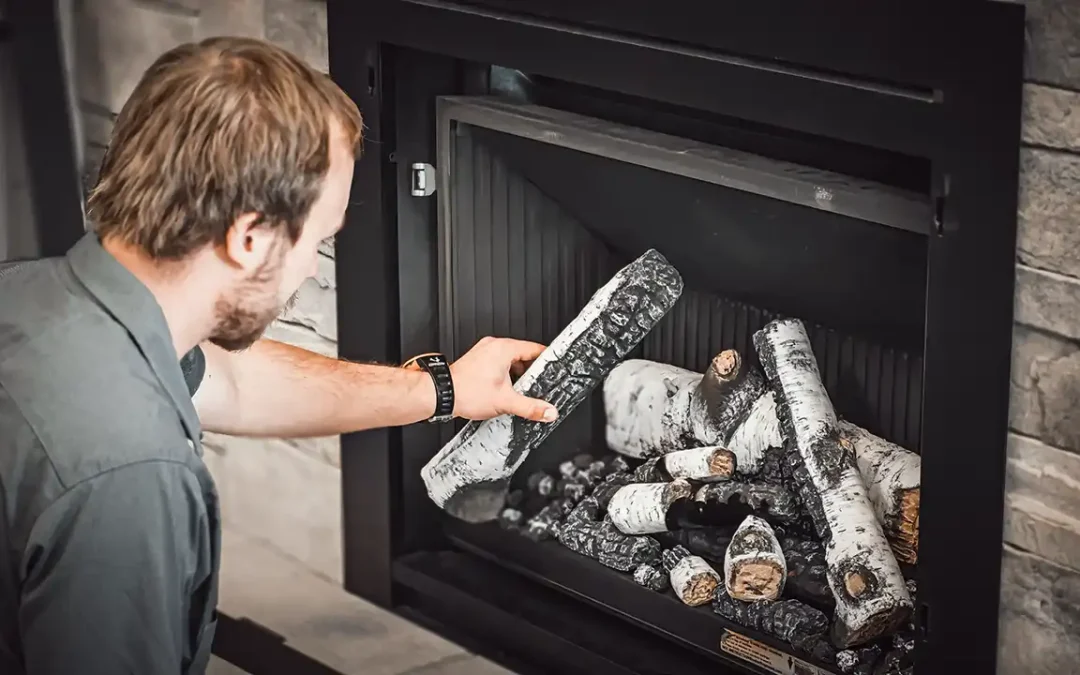
Fireplace Repair Services in Utah (Fast & Reliable Solutions)

Fireplace Repair Services in Utah (Fast & Reliable Solutions)

Utah winters put fireplaces through long, demanding seasons of daily use. From Salt Lake City to St. George, homeowners rely on their fireplaces for warmth, comfort, and ambiance. When something goes wrong, it can quickly turn a cozy night into a stressful one. That is why reliable fireplace repair services Utah residents trust have become such a valuable part of home maintenance.

(more…)
DIY vs Professional Fireplace Repair: What’s Safe & Worth It?

DIY vs Professional Fireplace Repair: What’s Safe & Worth It?

Introduction

Home repair videos are everywhere. From kitchen plumbing to drywall patching, more homeowners are tackling jobs themselves. The savings can feel real, and the sense of accomplishment is rewarding.

Fireplaces, though, sit in a different category. They combine fuel, heat, and ventilation in a small space, and small mistakes can lead to big problems. That is why the question of DIY fireplace repair vs professional service deserves careful thought before you start unscrewing panels.

Safety matters more than savings here. This guide helps you decide when a quick fix makes sense and when calling Croft Fireplaces is the smarter move.

Understanding Fireplace Repair Basics

Gas, wood, and electric fireplaces each work in their own way. Gas units rely on a steady fuel supply, an ignition system, and proper venting. Wood fireplaces depend on airflow, a clean flue, and structural integrity. Electric models use heating elements, fans, and control boards to mimic the look and warmth of a real fire.

Common repair components include burners, pilot assemblies, thermocouples, blowers, gaskets, glass panels, and electronic controls. A thermocouple is a small safety sensor that tells the gas valve whether the pilot is lit. If it fails, the system shuts off fuel automatically.

Technical knowledge matters because these systems are interconnected. A symptom in one part often points to a problem somewhere else, and only a trained eye spots the difference quickly.

DIY Fireplace Repair – What Homeowners Can Do

There are tasks any handy owner can manage safely. The key is sticking to surface-level work that does not touch fuel lines or electrical wiring.

Basic Maintenance Tasks

Cleaning the glass front with a fireplace-safe cleaner keeps your view crisp and helps you spot issues early. Wipe down burners with a soft brush once the unit is fully cool. Check that remote batteries are fresh and that wall switches are seated correctly. Many fireplaces that seem broken just need new batteries.

Minor Troubleshooting Steps

Relighting a pilot light is fair game if your manual walks you through it and you feel comfortable doing so. Confirm the gas valve is in the open position. Look for visible blockages such as cobwebs, dust, or debris around the burner area. These small steps solve a surprising number of complaints.

Limitations of DIY Repairs

Home toolkits rarely include manometers, combustion analyzers, or proper gas leak detectors. Without those tools, it is easy to misdiagnose a problem. A clogged orifice can look like a faulty valve. A weak flame might be a venting issue rather than a fuel issue. Anything beyond cleaning and battery checks starts to carry real safety risks.

Risks of DIY Fireplace Repair

This is where the conversation gets serious, and the question of is DIY fireplace repair safe really matters. Gas leaks are the most dangerous outcome. Even a small leak inside a tight space can build up and ignite from a single spark.

Fire and explosion risks rise sharply when fittings are not tightened correctly or when seals fail. Electrical shock is another concern, especially with newer fireplaces that use control boards and ignition modules. Touching the wrong terminal while power is live can injure you or fry the unit.

Even well-meaning repairs can make the original problem worse. A loose wire reconnected the wrong way can short a circuit and damage parts that were perfectly fine. Most manufacturers also state clearly in their warranty terms that unauthorized work voids coverage, so a small attempt at home could cost you a full replacement.

Professional Fireplace Repair – What Experts Do

A certified technician brings training, tools, and tested procedures to every visit. Their work goes deeper than what most owners can do at home.

Full System Diagnosis

Pros start by identifying the root cause of the issue, not just the visible symptom. Advanced testing equipment measures gas pressure, draft strength, and electrical continuity. This step alone often saves money by preventing unnecessary part replacements.

Gas System Repairs

Fixing gas lines and valves requires certification in most areas, for good reason. Technicians replace faulty valves, repair leaking fittings, and rebuild ignition systems including pilot assemblies and electronic igniters. They also verify safe combustion so the flame burns cleanly and produces minimum carbon monoxide.

Electrical and Component Repairs

Wiring repairs, control board swaps, sensor replacements, and switch fixes all fall under this category. Technicians also calibrate the system afterward to make sure each part communicates correctly. A miscalibrated sensor can shut down a perfectly healthy fireplace.

Deep Cleaning and Maintenance

Burner cleaning goes well beyond a quick wipe. Pros disassemble parts, clear soot and debris, and reassemble to factory specifications. They also inspect the chimney or venting system for blockages, cracks, or buildup, and tune the unit for peak efficiency.

Benefits of Hiring a Professional

The professional fireplace repair benefits start with safety compliance. Local codes and manufacturer guidelines are followed every step of the way. Repairs also tend to last longer because the root cause is addressed rather than the symptom.

Problems get solved faster too. What might take a homeowner an entire weekend often takes a technician an hour or two. Pros also carry the right replacement parts on their trucks, which saves trips to the hardware store. The end result is fewer recurring issues and a fireplace that runs the way it should.

Cost Comparison: DIY vs Professional Repair

At first glance, DIY looks cheaper. A replacement thermocouple costs less than a service call, and there is no labor fee. That math works when the job really is just a thermocouple.

The trouble starts when the diagnosis is wrong. Buying three parts to fix one mystery problem quickly costs more than a single professional visit. Hidden risks add up too, from voided warranties to damaged components. Expert diagnosis brings clarity, and that clarity has real value beyond the receipt.

When You Should Never Attempt DIY Repairs

Some situations are clear lines you should not cross. Any gas smell, even a faint one, means you should turn off the gas supply, leave the area, and call a pro right away. Repeated ignition failure after fresh batteries and a clean pilot points to deeper electrical or fuel issues.

Sparks, flickering lights, or a burning smell from electrical components are urgent warnings. Visible cracks in the firebox, chimney, or glass should also stop you in your tracks. If you are unsure what is wrong, treat that uncertainty as a reason to call in help.

How to Decide Between DIY and Professional Help

A simple checklist helps with the DIY or hire expert question. First, assess problem severity. A dusty burner is different from a hissing fitting. Second, evaluate safety risks. Anything involving gas, voltage, or visible damage should be off limits.

Third, weigh your own experience. Have you done similar repairs before? Do you know how to test gas pressure or read a wiring diagram? Finally, check your warranty conditions. Many policies require licensed technicians for any internal work, so verify before you start.

Safety Tips for Fireplace Owners

A few simple habits keep your fireplace running safely. Schedule a yearly inspection, ideally before the heating season begins. Make sure the room has proper ventilation, especially with gas units.

Run a quick seasonal check before each cold spell. Look at the glass, vents, gaskets, and remote, and listen for unusual sounds during startup. Keep emergency contacts handy, including your gas company and a trusted local specialist. For homeowners across the state, reliablefireplace repair services in Utah make scheduling that help much easier.

FAQs

Is it safe to repair a gas fireplace yourself?

Light cleaning, battery checks, and following manual instructions for the pilot are generally safe. Anything involving gas lines, valves, or wiring should be left to a certified technician.

What fireplace repairs can I do on my own?

You can clean the glass, dust the burners, change remote and receiver batteries, and inspect for visible debris. These tasks fit under routine maintenance rather than true repair.

When should I call a fireplace technician?

Knowing when to hire fireplace technician help is simple. Call right away if you smell gas, see sparks, notice cracks, or experience repeated ignition failure. Any electrical fault or system-wide problem also warrants a professional visit.

Can DIY fireplace repair void warranty?

Yes, in most cases. Manufacturers commonly require that internal repairs be performed by qualified technicians. Always check your specific warranty terms before opening the unit.

Is professional fireplace repair worth the cost?

For anything beyond surface maintenance, yes. The combination of accurate diagnosis, long-term fixes, and safety compliance usually outweighs the upfront fee.

Conclusion

A fair fireplace repair options comparison comes down to scope and safety. Simple maintenance is fine for confident homeowners. Anything involving fuel, voltage, or unknown symptoms belongs to a pro.

Remember that the cheapest fix is the one that lasts. A safety-first approach protects your home, your family, and your investment. For complex issues, professional help is the smart, lasting choice.
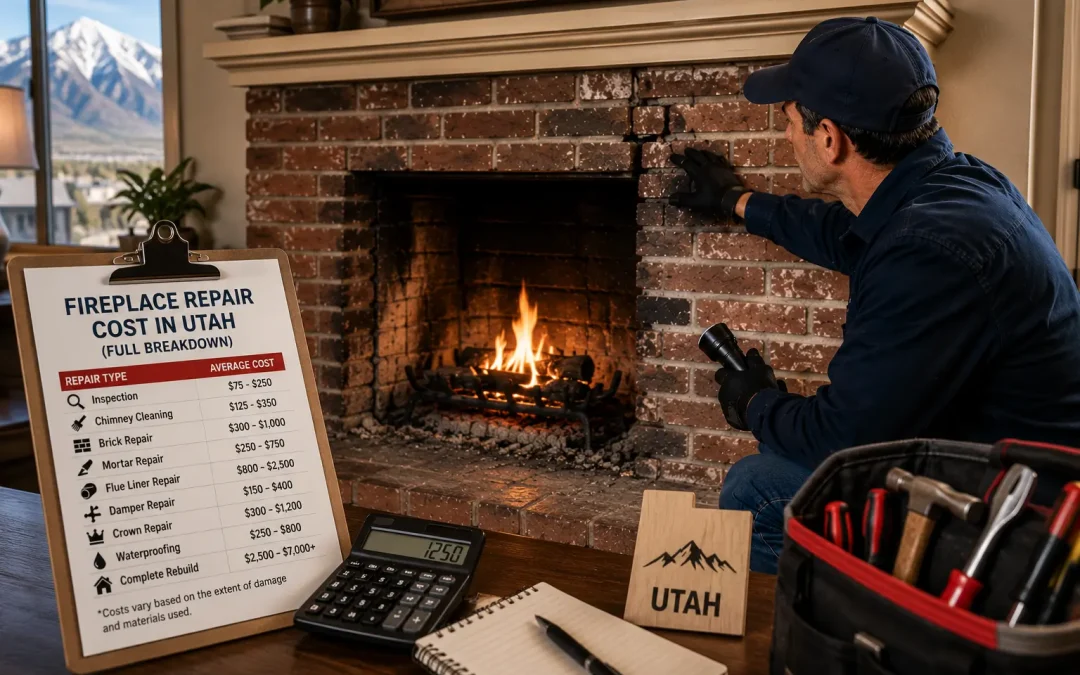
Fireplace Repair Cost in Utah (Full Breakdown)

Fireplace Repair Cost in Utah (Full Breakdown)

Introduction

Fireplace repair demand in Utah climbs every fall, especially in areas where homes rely on a fireplace through long, cold winters. Homeowners across the Wasatch Front often start searching for help once temperatures drop and small issues turn into real problems.

The fireplace repair cost in Utah varies widely because no two issues are the same. A pilot light fix is nothing like a chimney rebuild, and the price reflects that. Understanding pricing before hiring helps you compare quotes, plan your budget, and avoid surprises during the busy season.

Average Fireplace Repair Cost in Utah

Most homeowners pay between $175 and $1,000 for fireplace repair in Utah, with the average landing near $400 to $500. Minor work like cleaning a pilot assembly or replacing a thermocouple sits at the low end. Major work such as firebox restoration or chimney crown repair can push higher.

The cost to repair fireplace systems depends on the type of unit, the parts needed, and how long the technician spends on site. Older fireplaces and high-end models often cost more because parts are harder to source.

Fireplace Repair Cost Breakdown

A clear fireplace repair cost breakdown helps you understand what you are paying for and why. Here is how the numbers usually shake out across the most common service categories.

Basic Inspection and Diagnosis Costs

Standard service call fees in Utah typically run $75 to $150 just to get a technician to your door. Inspection charges for identifying issues add another $100 to $250, depending on whether the unit is gas, wood, or electric.

Diagnostic testing for gas leaks, draft problems, or electrical faults can add $50 to $125. Many companies, includingCroft Fireplaces, apply this fee toward the final repair if you move forward.

Gas Fireplace Repair Costs

Ignition system repair usually runs $150 to $450. Pilot light repair or thermocouple replacement is often cheaper, in the $100 to $250 range, since the parts are small and labor is quick.

Gas valve and burner repairs are the most expensive in this category, ranging from $300 to $800. Gas valves require careful handling and pressure testing, which adds time and skill to the job.

Wood Fireplace Repair Costs

Chimney-related repairs vary the most. A simple cap replacement might cost $150, while crown repair or flue lining work can reach $1,500 or more. Firebox repair or restoration falls between $200 and $1,200 based on damage.

Smoke and ventilation issues often point to draft problems, blockages, or a damaged damper. Fixing these usually costs $150 to $500 once the source is found.

Electric Fireplace Repair Costs

Heating element replacement runs $150 to $400, parts included. Wiring or electrical component fixes typically cost $100 to $300, depending on which board or connector failed.

Control panel or remote repair is usually the cheapest fix, often $75 to $200. Some models need a full control board swap, which can push the price higher.

Factors That Affect Fireplace Repair Cost

Several things shape your final bill. The type of fireplace matters most since gas, wood, and electric units all use different parts and skill sets. Severity of damage is the next big factor.

Age and condition of the unit also play a role. Older fireplaces sometimes need discontinued parts that must be ordered or fabricated. Labor rates in the Utah region tend to stay competitive, though rural areas may carry travel fees.

Common Fireplace Problems and Their Repair Costs

Ignition failure is one of the most common calls and usually costs $150 to $400 to fix. Pilot light problems are often related and can be resolved for $100 to $250.

Gas leak detection and repair is more serious and runs $200 to $700 because safety testing is involved. Cracked glass or damaged components usually cost $150 to $500. Poor heating performance can stem from many sources, with repair pricing varying based on the diagnosis.

Fireplace Service Cost vs Repair Cost

Service and repair are not the same thing. A standard fireplace service cost in Utah is $150 to $300 and covers cleaning, inspection, and minor adjustments. Repair work addresses a specific broken part or system.

Service packages often include a full inspection, soot or debris removal, safety checks, and basic tune-ups. Regular maintenance reduces long-term expenses by catching small issues before they grow into expensive fixes.

Repair vs Replacement Cost Consideration

Repair is usually the better choice when the unit is under fifteen years old and the damage is limited to one or two components. If the repair quote is less than half the cost of a new fireplace, repair almost always wins.

Replacement makes sense when the unit is aging, parts are unavailable, or repeated breakdowns keep adding up. Gas and electric units last fifteen to twenty years on average, while well-built wood fireplaces can run much longer.

Hidden Costs to Be Aware Of

Emergency service charges can add $100 to $300 on top of standard rates. After-hours repair pricing for nights, weekends, or holidays often carries a similar premium.

Parts replacement markup is another factor, especially for proprietary components. Additional safety inspections, like carbon monoxide checks or gas line pressure tests, may be required after certain repairs and can add $75 to $200 to the final invoice.

How to Reduce Fireplace Repair Costs

Regular maintenance is the single most effective way to control fireplace repair price in Utah. A yearly tune-up costs far less than emergency repairs and helps your unit run efficiently.

Early detection of issues like odd smells, weak flames, or unusual sounds prevents bigger problems. Annual inspections also keep your warranty valid in many cases. Choosing the right technician matters too. Look at experience, licensing, and reviews from local Utah homeowners before booking.

Why Hiring a Professional Matters

Accurate diagnosis saves money. A trained technician knows the difference between a faulty thermocouple and a failing gas valve, and that knowledge prevents unnecessary part swaps.

Safe handling of gas and electrical components protects your home and family. DIY attempts often lead to repeat repair costs or worse, safety hazards. Professionalfireplace repair services in Utah ensure long-term performance and give you peace of mind through every winter season.

FAQs

How much does fireplace repair cost in Utah?

How much does it cost to fix a fireplace in Utah depends on the issue, but most homeowners pay between $175 and $1,000. Minor work falls near the lower end, while major repairs can climb higher.

Is fireplace repair expensive compared to replacement?

Repair is almost always cheaper than replacement. A new fireplace can cost $2,500 to $7,000 installed, while most repairs stay well under $1,000. Replacement only makes sense when the unit is at the end of its lifespan.

What is the average service call fee for fireplaces?

Service call fees in Utah typically range from $75 to $150. Many companies apply this fee toward the final repair if you decide to proceed with the work.

Does insurance cover fireplace repair?

Homeowners insurance usually covers fireplace damage from sudden events like fire, storms, or accidents. Routine wear and tear, neglected maintenance, and gradual breakdowns are normally not covered. Check your policy for details.

How often should fireplaces be serviced in Utah?

Once a year, ideally before winter starts. Annual service keeps the unit safe, efficient, and ready for heavy use through Utah’s cold months. Booking early in the fall also helps you avoid the busy season rush.

Conclusion

Fireplace repair cost in Utah depends on the type of unit, the nature of the damage, and the timing of the service call. Knowing the typical price ranges helps you plan ahead and make smart choices when issues arise.

Professional assessment is the safest way to diagnose problems and avoid wasted money on guesswork. Regular maintenance is the best long-term strategy for reducing expenses and extending the life of your fireplace through many Utah winters.


Signs You Need Fireplace Repair Immediately

Signs You Need Fireplace Repair Immediately

Introduction

A fireplace adds warmth, comfort, and character to any home. But like any heating appliance, it can develop problems over time that affect how well it works. Knowing the early fireplace repair signs helps you act before a small issue becomes a serious safety risk.

Many homeowners ignore the first hints of trouble because their fireplace still lights or produces some heat. The problem is that minor faults rarely stay minor. A flickering flame, a strange smell, or a stubborn pilot light can point to gas, ventilation, or component issues that grow worse with each use.

Timely repair protects your family and saves money. Catching problems early prevents costly damage to internal parts, reduces the risk of fire or gas leaks, and keeps your fireplace running efficiently. This guide walks you through the warning signs that mean it is time to call a professional.

Common Reasons Your Gas Fireplace Won’t Turn On

Fireplace Not Working Properly

One of the clearest signs fireplace needs repair is when it simply does not perform the way it used to. You may notice difficulty starting it, or it may shut off shortly after lighting. These are classic fireplace malfunction symptoms.

Irregular heating performance is another red flag. If some areas of the room feel warm while the unit struggles to maintain steady output, internal components could be wearing down. Inconsistent operation often points to ignition trouble, gas flow problems, or sensor issues.

Weak or No Flame

A healthy fireplace produces a strong, steady flame. If yours looks weak, uneven, or fails to form correctly, something is interfering with the fuel or oxygen supply. A flame that keeps going out is one of the most common broken fireplace signs.

Reduced heat output usually goes hand in hand with a poor flame. You may find yourself turning the thermostat higher to compensate. That extra strain wastes fuel and accelerates wear on the system.

Strange Smells from Fireplace

A working gas fireplace should not give off strong odors. A gas-like smell near the unit is a serious warning and means you should turn it off immediately. Even a faint odor that lingers after use deserves attention.

A burning or metallic smell can suggest overheated wiring, dust on the burner, or damaged internal parts. These smells indicate possible internal issues that a technician needs to inspect. Never assume the odor will simply go away on its own.

Unusual Noises During Operation

A fireplace makes some sound during normal use, but unfamiliar noises are worth listening to. Clicking or popping that continues well past startup can signal a faulty igniter or expanding metal from poor heat distribution.

Humming or buzzing often comes from a failing fan, valve, or transformer. These sounds are early signs of internal malfunction. Ignoring them usually leads to larger repairs once the part fails completely.

Pilot Light Problems

The pilot light is the small flame that ignites the main burner. When it will not stay lit, the fireplace cannot run safely or reliably. Frequent pilot outages point to a worn thermocouple, dirty pilot assembly, or low gas pressure.

A weak or yellow pilot flame is another clue. A healthy pilot burns a steady blue. Yellow or orange flames suggest incomplete combustion, which can release carbon monoxide and reduce heat efficiency.

Excess Soot or Residue Build-up

Black stains around the fireplace opening, dirty glass, or soot on the logs indicate poor combustion. When fuel does not burn cleanly, it leaves residue that can clog vents and damage components.

A small amount of buildup over a season is normal. Heavy or fast-accumulating soot is not. It is a clear sign of when fireplace needs repair, and it often means the air-to-gas ratio is off.

Cracked or Damaged Components

Visible damage is easy to miss because most people focus on the flame, not the structure. Check the glass panel for cracks, chips, or cloudy spots. Damaged glass can shatter under heat and should never be used.

Inspect the logs, burner, and surrounding panels for wear and tear. Cracked logs, rust on burners, or warped metal all reduce safety and performance. These parts can usually be replaced once a technician evaluates the full system.

Fire Safety Warning Signs You Should Never Ignore

Some symptoms go beyond normal wear and need immediate attention. A strong gas smell near the fireplace points to a possible leak. Shut off the gas supply, open windows, and leave the area before calling for help.

Sudden shutdowns during use can indicate a safety sensor activating to prevent a bigger problem. Smoke entering the room signals a venting failure that may push carbon monoxide indoors. Overheating, discoloration on the surround, or scorched walls suggest the unit is running hotter than designed. The team atCroft Fireplaces can assess any of these issues quickly.

Why Fireplace Problems Should Be Fixed Immediately

Acting fast on fireplace repair signs prevents fire hazards. A damaged component, blocked vent, or gas leak can turn a small issue into a serious emergency in seconds. Repair is almost always less disruptive than dealing with the aftermath.

Gas leak risks deserve special attention. Even a slow leak can build up in a closed room and create dangerous conditions. Prompt service protects everyone in the home.

Repairs also improve heating efficiency. A fireplace running with the right settings, clean parts, and proper ventilation uses less fuel and produces more heat. Over time, fast action reduces long-term repair costs by keeping small problems from cascading into major ones.

When to Stop Using Your Fireplace

There are moments when continued use is simply not safe. If the unit malfunctions repeatedly even after a reset, stop using it until a professional looks at it. The reset is buying you time, not solving the problem.

A strong gas odor is always a stop-using-it situation. The same goes for visible damage, deep cracks, or scorch marks on the surround. Frequent pilot light failure suggests something deeper is wrong and should not be ignored.

Professional Fireplace Repair Solutions

A qualified technician begins with a full system inspection. This covers the firebox, venting, glass, and surround. The goal is to find any issue, not just the most obvious one.

Next comes a gas line and burner evaluation. The tech checks for leaks, pressure problems, and burner condition. They also test and repair the ignition system, including the pilot, thermocouple, and electronic igniter.

Safety testing and calibration follow. The unit is adjusted to factory standards so it runs cleanly and safely. A thorough cleaning of burners, glass, and internal surfaces finishes the visit. You can explore the full range offireplace repair services in Utah to see what is included.

How to Prevent Future Fireplace Issues

Prevention is the best way to avoid emergency repairs. Set a regular maintenance schedule so your fireplace gets professional attention at least once a year. Most homeowners book service in early fall.

A seasonal inspection before winter catches small issues while they are easy to fix. Between visits, keep the burners and glass clean using manufacturer-approved methods. Check the pilot system regularly to make sure the flame stays blue and steady.

FAQs

What are early signs of fireplace damage?

Early signs include a weaker flame, delayed ignition, light soot buildup, or a faint smell during operation. Catching these clues early keeps repairs simple and affordable.

Is it safe to use a faulty fireplace?

No. A fireplace that is not working properly can leak gas, release carbon monoxide, or cause a fire. Stop using it and call a technician.

Why does my fireplace keep turning off?

Common causes include a failing thermocouple, dirty pilot assembly, low gas pressure, or a tripped safety sensor. A technician can pinpoint the exact reason during an inspection.

How often should a fireplace be serviced?

Once a year is the standard recommendation. Heavy users or older units may benefit from a mid-season check as well.

Can small fireplace issues get worse over time?

Yes. Minor problems rarely fix themselves. A small soot issue, weak flame, or odd sound usually grows into a bigger repair if left alone.


Conclusion

Your fireplace works hard to keep your home comfortable, and it deserves attention when something feels off. Strange smells, weak flames, stubborn pilot lights, and unusual noises are all signals worth taking seriously. Ignoring them can lead to bigger problems, higher bills, and real safety risks.

When in doubt, choose professional inspection over guesswork. A trained technician can find the issue, fix it correctly, and get your fireplace running safely again. Acting early on warning signs is the simplest way to protect your home and enjoy your fireplace for years to come.

Request Quote


This will close in 0 seconds