
Signs You Need Fireplace Repair Immediately
Introduction
A fireplace adds warmth, comfort, and character to any home. But like any heating appliance, it can develop problems over time that affect how well it works. Knowing the early fireplace repair signs helps you act before a small issue becomes a serious safety risk.
Many homeowners ignore the first hints of trouble because their fireplace still lights or produces some heat. The problem is that minor faults rarely stay minor. A flickering flame, a strange smell, or a stubborn pilot light can point to gas, ventilation, or component issues that grow worse with each use.
Timely repair protects your family and saves money. Catching problems early prevents costly damage to internal parts, reduces the risk of fire or gas leaks, and keeps your fireplace running efficiently. This guide walks you through the warning signs that mean it is time to call a professional.
Common Reasons Your Gas Fireplace Won’t Turn On
Fireplace Not Working Properly
One of the clearest signs fireplace needs repair is when it simply does not perform the way it used to. You may notice difficulty starting it, or it may shut off shortly after lighting. These are classic fireplace malfunction symptoms.
Irregular heating performance is another red flag. If some areas of the room feel warm while the unit struggles to maintain steady output, internal components could be wearing down. Inconsistent operation often points to ignition trouble, gas flow problems, or sensor issues.
Weak or No Flame
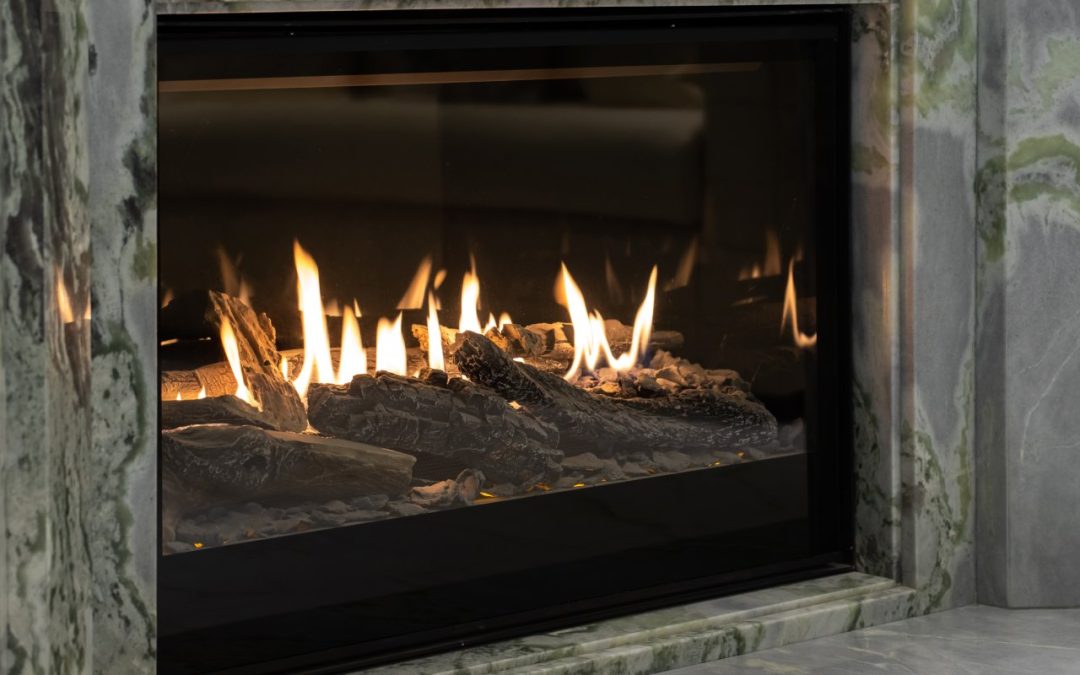
A healthy fireplace produces a strong, steady flame. If yours looks weak, uneven, or fails to form correctly, something is interfering with the fuel or oxygen supply. A flame that keeps going out is one of the most common broken fireplace signs.
Reduced heat output usually goes hand in hand with a poor flame. You may find yourself turning the thermostat higher to compensate. That extra strain wastes fuel and accelerates wear on the system.
Strange Smells from Fireplace
A working gas fireplace should not give off strong odors. A gas-like smell near the unit is a serious warning and means you should turn it off immediately. Even a faint odor that lingers after use deserves attention.
A burning or metallic smell can suggest overheated wiring, dust on the burner, or damaged internal parts. These smells indicate possible internal issues that a technician needs to inspect. Never assume the odor will simply go away on its own.
Unusual Noises During Operation
A fireplace makes some sound during normal use, but unfamiliar noises are worth listening to. Clicking or popping that continues well past startup can signal a faulty igniter or expanding metal from poor heat distribution.
Humming or buzzing often comes from a failing fan, valve, or transformer. These sounds are early signs of internal malfunction. Ignoring them usually leads to larger repairs once the part fails completely.
Pilot Light Problems
The pilot light is the small flame that ignites the main burner. When it will not stay lit, the fireplace cannot run safely or reliably. Frequent pilot outages point to a worn thermocouple, dirty pilot assembly, or low gas pressure.
A weak or yellow pilot flame is another clue. A healthy pilot burns a steady blue. Yellow or orange flames suggest incomplete combustion, which can release carbon monoxide and reduce heat efficiency.
Excess Soot or Residue Build-up
Black stains around the fireplace opening, dirty glass, or soot on the logs indicate poor combustion. When fuel does not burn cleanly, it leaves residue that can clog vents and damage components.
A small amount of buildup over a season is normal. Heavy or fast-accumulating soot is not. It is a clear sign of when fireplace needs repair, and it often means the air-to-gas ratio is off.
Cracked or Damaged Components
Visible damage is easy to miss because most people focus on the flame, not the structure. Check the glass panel for cracks, chips, or cloudy spots. Damaged glass can shatter under heat and should never be used.
Inspect the logs, burner, and surrounding panels for wear and tear. Cracked logs, rust on burners, or warped metal all reduce safety and performance. These parts can usually be replaced once a technician evaluates the full system.
Fire Safety Warning Signs You Should Never Ignore
Some symptoms go beyond normal wear and need immediate attention. A strong gas smell near the fireplace points to a possible leak. Shut off the gas supply, open windows, and leave the area before calling for help.
Sudden shutdowns during use can indicate a safety sensor activating to prevent a bigger problem. Smoke entering the room signals a venting failure that may push carbon monoxide indoors. Overheating, discoloration on the surround, or scorched walls suggest the unit is running hotter than designed. The team atCroft Fireplaces can assess any of these issues quickly.
Why Fireplace Problems Should Be Fixed Immediately
Acting fast on fireplace repair signs prevents fire hazards. A damaged component, blocked vent, or gas leak can turn a small issue into a serious emergency in seconds. Repair is almost always less disruptive than dealing with the aftermath.
Gas leak risks deserve special attention. Even a slow leak can build up in a closed room and create dangerous conditions. Prompt service protects everyone in the home.
Repairs also improve heating efficiency. A fireplace running with the right settings, clean parts, and proper ventilation uses less fuel and produces more heat. Over time, fast action reduces long-term repair costs by keeping small problems from cascading into major ones.
When to Stop Using Your Fireplace
There are moments when continued use is simply not safe. If the unit malfunctions repeatedly even after a reset, stop using it until a professional looks at it. The reset is buying you time, not solving the problem.
A strong gas odor is always a stop-using-it situation. The same goes for visible damage, deep cracks, or scorch marks on the surround. Frequent pilot light failure suggests something deeper is wrong and should not be ignored.
Professional Fireplace Repair Solutions
A qualified technician begins with a full system inspection. This covers the firebox, venting, glass, and surround. The goal is to find any issue, not just the most obvious one.
Next comes a gas line and burner evaluation. The tech checks for leaks, pressure problems, and burner condition. They also test and repair the ignition system, including the pilot, thermocouple, and electronic igniter.
Safety testing and calibration follow. The unit is adjusted to factory standards so it runs cleanly and safely. A thorough cleaning of burners, glass, and internal surfaces finishes the visit. You can explore the full range of fireplace repair services in Utah to see what is included.
How to Prevent Future Fireplace Issues
Prevention is the best way to avoid emergency repairs. Set a regular maintenance schedule so your fireplace gets professional attention at least once a year. Most homeowners book service in early fall.
A seasonal inspection before winter catches small issues while they are easy to fix. Between visits, keep the burners and glass clean using manufacturer-approved methods. Check the pilot system regularly to make sure the flame stays blue and steady.
FAQs
What are early signs of fireplace damage?
Early signs include a weaker flame, delayed ignition, light soot buildup, or a faint smell during operation. Catching these clues early keeps repairs simple and affordable.
Is it safe to use a faulty fireplace?
No. A fireplace that is not working properly can leak gas, release carbon monoxide, or cause a fire. Stop using it and call a technician.
Why does my fireplace keep turning off?
Common causes include a failing thermocouple, dirty pilot assembly, low gas pressure, or a tripped safety sensor. A technician can pinpoint the exact reason during an inspection.
How often should a fireplace be serviced?
Once a year is the standard recommendation. Heavy users or older units may benefit from a mid-season check as well.
Can small fireplace issues get worse over time?
Yes. Minor problems rarely fix themselves. A small soot issue, weak flame, or odd sound usually grows into a bigger repair if left alone.
Conclusion
Your fireplace works hard to keep your home comfortable, and it deserves attention when something feels off. Strange smells, weak flames, stubborn pilot lights, and unusual noises are all signals worth taking seriously. Ignoring them can lead to bigger problems, higher bills, and real safety risks.
When in doubt, choose professional inspection over guesswork. A trained technician can find the issue, fix it correctly, and get your fireplace running safely again. Acting early on warning signs is the simplest way to protect your home and enjoy your fireplace for years to come.